
Most people picture hackers targeting giant corporations or secret government systems. The funny part? A far easier target may be sitting on your kitchen counter right now. Smart speakers, security cameras, video doorbells, and even connected light bulbs have become common household gadgets. Yet many owners never spend a minute thinking about security settings. The problem starts when default passwords, outdated software, and weak networks create an open invitation for digital troublemakers. It’s a bit like locking your front door but leaving the window wide open.
Why Smart Devices Attract Hackers
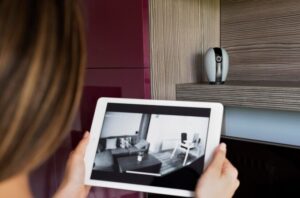 Hackers often prefer easy targets. They do not always chase complicated systems. Many connected gadgets ship with standard passwords that users forget to change. Some people plug them in and never open the settings menu again. Think about a home security camera. It is supposed to protect your property. Yet if someone gains access to that camera, they may view private footage or monitor household routines. That flips the script pretty quickly. A device bought for safety can become a privacy risk.
The Password Problem Nobody Talks About
Let’s be honest. Many people use the same password for everything. It feels convenient until one account gets exposed. Then it becomes a domino effect. Strong passwords remain one of the best defenses available. A password manager can help generate long combinations that are difficult to guess. Two-factor authentication adds another layer. It takes only a few minutes to set up, but it can stop many unauthorized login attempts.
Software Updates Are More Important Than They Look
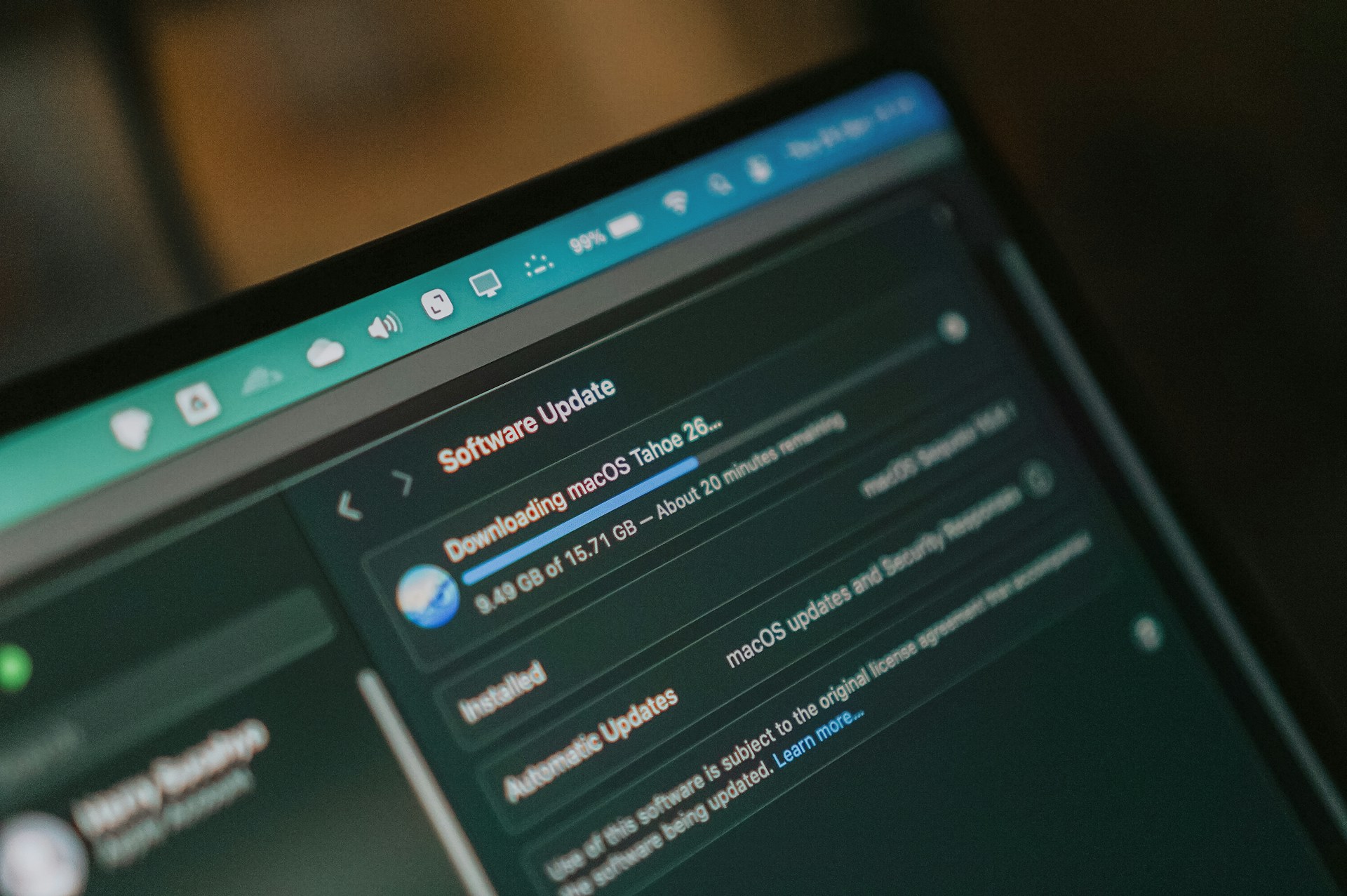
Software updates are easy to ignore. We see the notification and think, “I’ll do it later.” A week passes. Then a month. Those updates often contain security fixes. Manufacturers regularly patch flaws after researchers identify them. Delaying updates gives attackers extra time to exploit known weaknesses.
Your WiFi Network Matters More Than the Device
Many homeowners focus entirely on the gadget itself. The network behind it deserves equal attention. If the WiFi password is weak, every connected device becomes more vulnerable. Use modern encryption settings and create a strong network password. Some routers also allow a separate guest network. That simple feature can keep smart devices isolated from laptops, phones, and sensitive files. Think of it as giving visitors access to the living room instead of the entire house.
Small Habits Create Big Protection
 Cybersecurity often sounds complicated. In reality, the strongest protection usually comes from boring habits. Change default passwords. Turn on two-factor authentication. Install updates promptly. Review device permissions occasionally. I once helped a friend check the settings on a smart camera. The default login credentials were still active two years after installation. Nothing bad had happened, but luck is not a security strategy. A ten-minute review fixed the issue immediately.
Technology has made homes more convenient than ever. Smart gadgets can save time, improve comfort, and add useful features to daily life. The key is remembering that every connected device is also a tiny computer. Treat it with the same care you would give your laptop or phone. A little attention today can prevent a major headache tomorrow.